Source lightweight sweat proof steering wheel for cars, trucks, and SUVs
Find a lightweight sweat proof steering wheel from 30 verified suppliers offering customizable options in gold, rose gold, and silver. Compare specifications including steel and aluminum materials, DOT and CE certifications, and delivery times ranging from 7 to 15 days.
Key considerations
Products List


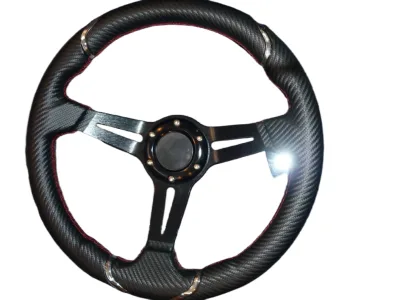
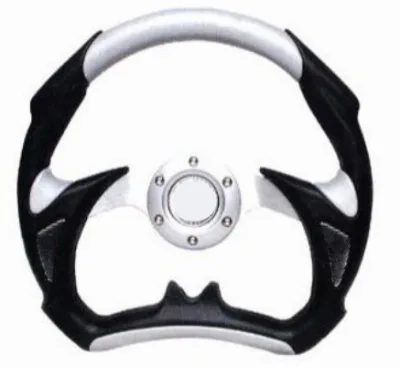
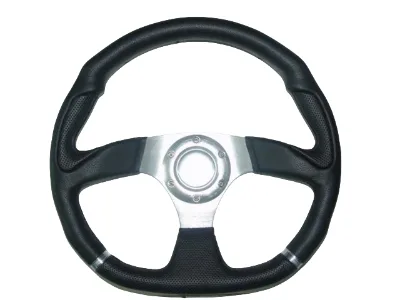
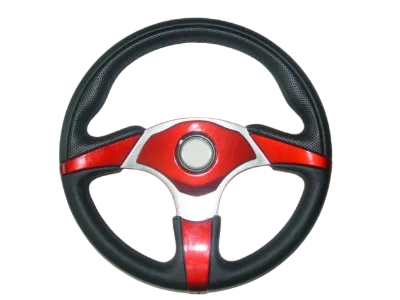




Comprehensive Sourcing Guide
Strategic Sourcing Guide for Lightweight Sweat-Proof Steering Wheels
The automotive aftermarket and original equipment manufacturing sectors are increasingly prioritizing driver comfort, safety, and ergonomic efficiency. Within this context, the demand for lightweight, sweat-proof steering wheels has surged. These components are critical for performance vehicles, commercial fleets, and long-haul transportation where grip stability and reduced driver fatigue are paramount. Sourcing these specialized parts requires a disciplined approach that balances material science, regulatory compliance, and supply chain reliability. This guide provides a comprehensive framework for buyers evaluating suppliers and products that meet the rigorous demands of modern automotive applications.
Material Composition and Weight Optimization
The primary differentiator for a lightweight steering wheel lies in its core material composition. Traditional steering wheels often utilized heavy steel or dense wood composites, which added unnecessary rotational mass and reduced vehicle handling dynamics. Modern sourcing strategies must focus on materials that offer high strength-to-weight ratios. Aluminum and specialized steel alloys are frequently observed in high-performance listings, offering a balance of durability and reduced mass.
When evaluating product specifications, buyers should verify the specific material grade. For instance, aluminum components are often highlighted for their corrosion resistance and light weight, making them ideal for sweat-proof applications where moisture resistance is essential. Steel variants, while heavier, may be used in structural hubs or specific reinforcement areas, provided the overall assembly remains within the target weight class. The "lightweight" attribute is not merely a marketing term but a measurable specification that impacts vehicle dynamics.
Buyers must scrutinize the material data sheets to confirm the density and tensile strength of the components. A steering wheel constructed from a single piece of billet aluminum, for example, offers superior structural integrity compared to welded or cast alternatives. The absence of heavy internal mechanisms also contributes to the overall weight reduction. When reviewing supplier catalogs, look for explicit mentions of aluminum or high-grade steel alloys rather than generic terms like "metal." The goal is to identify a product where the material selection directly supports the functional requirement of minimizing rotational inertia while maintaining the necessary rigidity to withstand high-torque inputs.
Ergonomic Design and Sweat-Proof Surface Treatments
The "sweat-proof" designation refers to the surface treatment and texture of the steering wheel rim. In high-stress driving scenarios, perspiration can compromise grip, leading to safety hazards. Effective sweat-proof steering wheels utilize specific surface finishes that repel moisture or maintain friction even when wet. This is often achieved through specialized rubber compounds, perforated leather with moisture-wicking properties, or textured aluminum surfaces that channel sweat away from the contact points.
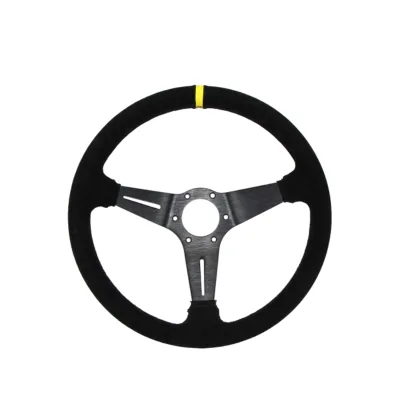
Design features such as the rim diameter and depth play a crucial role in ergonomics. Standard diameters often range around 350mm, a size that accommodates a wide variety of hand sizes while ensuring the driver can maintain a secure grip. The depth of the rim, typically around 70mm, influences how the hand wraps around the wheel, affecting leverage and comfort during prolonged use. A well-designed sweat-proof wheel will feature a texture that prevents slippage without causing skin irritation.
Buyers should examine product images and descriptions for evidence of these surface treatments. Look for mentions of "perforated" textures, specific rubber blends, or anodized finishes that enhance grip. The presence of accessories such as horn buttons and covers should also be considered; these components must integrate seamlessly with the sweat-proof design without creating dead zones where moisture could accumulate. The overall style, whether "designed" for a specific aesthetic or "universal" for broad application, must not compromise the functional grip requirements.
Technical Specifications and Compatibility Standards
Technical verification is the backbone of any successful B2B procurement process. When sourcing steering wheels, buyers must ensure that the product specifications align with the intended vehicle platform. The "Universal" applicability noted in many listings suggests a design that can be adapted to various vehicle models, but this does not guarantee a direct fit without modification.
Key specifications to verify include the diameter, which is often standardized at 350mm, and the mounting interface. The product model numbers, such as TT-SW-075 or 001-GZFXP319-08, serve as unique identifiers that buyers should cross-reference with vehicle manufacturer data. The dimension of the wheel, often listed as 15 inches or customizable, must be matched against the vehicle's steering column specifications.
Furthermore, the packing and packaging details provide insight into the product's handling and storage requirements. Standard packaging often involves individual boxes, such as black or white cartons, with dimensions around 35x35x11cm or 36x36x11cm. The single gross weight, typically ranging from 1.3kg to 1.5kg, is a critical metric for logistics planning and shipping cost estimation. Buyers should also check the "Single Package Size" to ensure it fits within their warehousing constraints.
The following table summarizes typical technical parameters observed in the market for these components:
| Parameter | Typical Value | Verification Requirement |
|---|---|---|
| Diameter | 350mm | Confirm compatibility with vehicle column |
| Depth | 70mm | Ensure ergonomic fit for intended driver |
| Material | Aluminum / Steel | Verify grade and weight specifications |
| Weight | 1.3kg - 1.5kg | Calculate shipping and handling costs |
| Packaging | Box / Carton | Check dimensions for storage efficiency |
| Applicability | Universal | Confirm adapter requirements |
Compliance, Certification, and Regulatory Adherence
Regulatory compliance is non-negotiable in the automotive industry. Products intended for sale or installation in specific markets must meet local safety standards. In the context of steering wheels, certifications such as DOT (Department of Transportation) and CE (Conformité Européenne) are critical indicators of compliance. These certifications suggest that the product has undergone testing for structural integrity, material safety, and performance under stress.
Buyers must request valid certification documents from suppliers before placing orders. The presence of a DOT mark, for example, indicates that the product meets US federal safety standards for motor vehicle equipment. Similarly, CE certification is essential for products entering the European market, ensuring compliance with health, safety, and environmental protection standards. It is important to note that certification status is not universal; a product certified for one region may not automatically qualify for another without additional testing.
In addition to external certifications, internal quality standards should be reviewed. The "Standard" attribute often refers to the manufacturing process adherence to industry norms. Buyers should verify that the supplier maintains a consistent quality control process that aligns with these standards. The condition of the product, typically listed as "New," should be confirmed to ensure no refurbished or used components are being sold as new.
Cost Drivers and Pricing Structures
Understanding the cost structure of lightweight steering wheels is essential for budgeting and negotiation. The price range for these products can vary significantly, from approximately $7.36 to $4,000, depending on the complexity of the design, material quality, and customization level. Several factors drive these costs:
- Material Costs: High-grade aluminum and specialized steel alloys command higher prices than standard materials. The sourcing of billet aluminum, which involves machining from a solid block, is more expensive than casting.
- Customization: The availability of customization options, such as specific colors (Gold, Rose Gold, Silver) or bespoke dimensions, adds to the production cost. Custom molds and finishing processes require additional time and resources.
- Certification and Testing: Products with verified DOT or CE certifications often carry a premium due to the cost of compliance testing and documentation.
- Packaging and Accessories: The inclusion of accessories like horn buttons, wires, and wrenches, along with premium packaging (e.g., color boxes), influences the final unit price.
Buyers should be wary of prices that seem abnormally low, as they may indicate compromised quality or a lack of necessary certifications. Conversely, extremely high prices should be justified by unique features or proprietary technology.
Supplier Evaluation and Minimum Order Quantities
Selecting the right supplier is as important as selecting the right product. Key evaluation criteria include the supplier's ability to meet Minimum Order Quantities (MOQ), their production capacity, and their lead times. MOQs for steering wheels can range from 1 piece to 100 pieces, with some suppliers requiring 5 or 50 pieces as a baseline. This flexibility is crucial for buyers testing new markets or fulfilling small-scale orders.
Lead times are another critical factor. Typical delivery times for these products range from 7 to 15 days, but this can vary based on customization requirements and current production loads. Suppliers with a stated supply ability of 10,000 pieces per month demonstrate the capacity to handle large-scale orders without significant delays.
Buyers should also assess the supplier's payment terms, which often include L/C, D/P, T/T, Western Union, and Money Gram. These terms reflect the financial stability and risk management practices of the supplier. A supplier offering multiple payment options is generally more adaptable to different buyer needs. Additionally, the "OEM" (Original Equipment Manufacturer) acceptance status indicates the supplier's willingness to produce custom-branded or custom-designed products, which is vital for buyers seeking exclusive partnerships.
Quality Control and Long-Term Procurement Strategy
Implementing a robust quality control (QC) strategy is essential to mitigate risks associated with sourcing automotive components. Buyers should establish clear acceptance criteria based on the product specifications, including material integrity, surface finish, and dimensional accuracy. The availability of samples is a valuable tool for this process; most suppliers offer samples that allow buyers to physically inspect the product before committing to a bulk order.
Long-term procurement considerations involve building a relationship with suppliers who can consistently deliver high-quality products. This includes verifying the supplier's track record, their response to quality issues, and their ability to scale production as demand grows. The "Automatic" or "Semi-Automatic" nature of the production process can also influence consistency; semi-automatic processes often allow for more manual inspection, which can be beneficial for high-quality finishes.
Finally, buyers should consider the lifecycle of the product. A lightweight, sweat-proof steering wheel is an investment in driver safety and comfort. Ensuring that the product remains durable and functional over time requires selecting materials and designs that resist wear and tear. By focusing on these long-term factors, buyers can secure a supply chain that supports their business goals while maintaining the highest standards of quality and safety.
FAQs
What certifications are available for these steering wheels?
Available certifications include DOT and CE for regulatory compliance. Buyers must verify specific documents for their target market, as certification status varies by region and product model.
Can I order samples before placing a bulk order?
Samples are available for most models to verify quality and fit. This allows buyers to inspect material and finish before committing to larger quantities with varying MOQs.
What materials are used for lightweight steering wheels?
Materials typically include aluminum and steel for durability and weight reduction. Aluminum offers corrosion resistance while steel provides structural strength in high-performance applications.
How long is the delivery time for these products?
Standard delivery time ranges from 7 to 15 days after order confirmation. Lead times may vary based on customization requirements and current supplier production capacity.
What is the minimum order quantity for these wheels?
Minimum order quantities range from 1 piece to 100 pieces depending on the supplier. Some models require 5 or 50 pieces as a baseline for production runs.
Are customization options available for colors and dimensions?
Customization is available for colors like Gold, Rose Gold, and Silver, as well as dimensions. Buyers can request specific finishes and sizes to match vehicle requirements.
Where are these steering wheels manufactured?
Products originate from China, specifically Zhejiang province. Buyers should verify the specific factory location for logistics planning and shipping cost estimation.